Enhancing your pet's intelligence is a rewarding journey. Experts believe that pets can learn and adapt in surprising ways. Dr. Susan McMillan, a renowned animal behaviorist, emphasizes, "Engaging your pet's mind is just as essential as physical exercise." Understanding how to stimulate pet intelligence naturally requires patience and creativity.
Creating a stimulating environment can be an essential step. Simple tasks like puzzle toys can encourage problem-solving skills. Regular interactive playtime boosts cognitive function and strengthens your bond. However, it's important to recognize that not all methods excel for every pet. Tailoring activities to your pet’s unique personality offers a personalized approach.
Embracing this process can lead to moments of trial and error. A pet may not respond immediately to certain challenges. That’s perfectly natural. These experiences can foster deeper connections and insights into your pet's behavior. Explore how to stimulate pet intelligence by incorporating fun and engaging activities that suit your pet's interests.
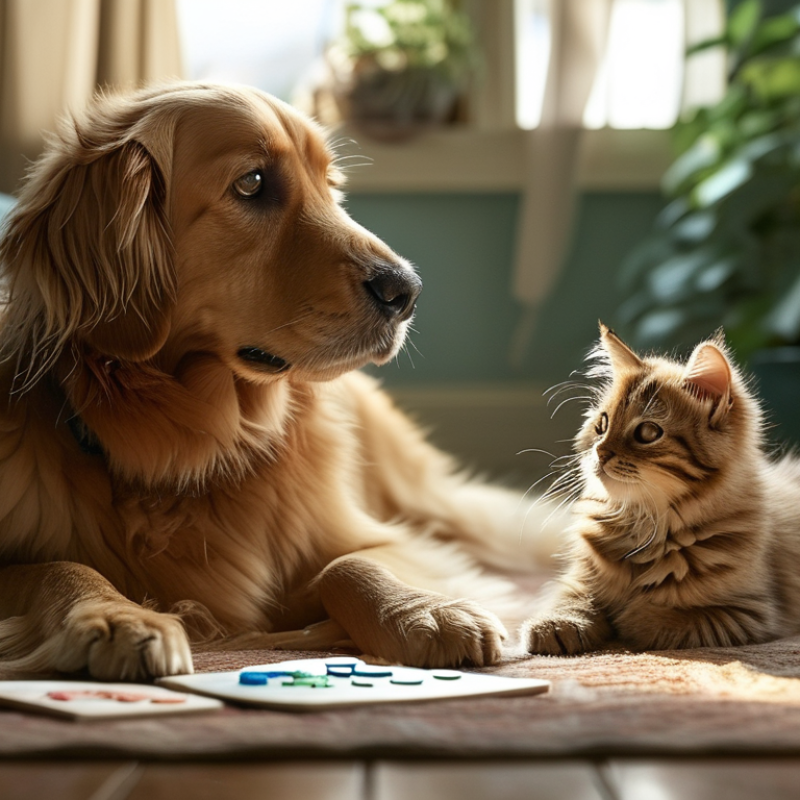
Understanding pet intelligence goes beyond mere obedience. It involves recognizing how your furry friend thinks and learns. Dogs and cats exhibit different types of intelligence. For instance, dogs can understand social cues, while cats show their cleverness through problem-solving. Observing your pet’s behavior in various situations can reveal the depth of their intelligence.
Playing interactive games can stimulate their minds. Puzzle toys or hiding treats around the house encourages exploration. Both dogs and cats benefit from these activities. However, not every pet will engage enthusiastically. Some may shy away from new experiences, causing frustration. Patience is crucial; incremental adjustments help build their confidence.
Training sessions should be consistent yet flexible. Some pets grasp new commands quickly, while others need more time. Offering positive reinforcement is essential. Each success, no matter how small, nurtures their confidence and willingness to learn. Ultimately, understanding your pet's unique intelligence requires time, observation, and a willingness to adapt your approach.
Engaging your pet in activities that stimulate their cognitive abilities can lead to a happier, healthier life. Natural methods often involve play, training, and socialization. These activities are essential for your pet's mental development. Consider interactive toys that encourage problem-solving. Puzzles that hide treats can keep your pet entertained and promote independent thinking.
Take time each day for training sessions. Teaching new commands not only builds a bond but also enhances memory and focus. You can start with simple tricks. Progress at a pace that suits your pet. Celebrate small victories. This reinforces their learning and keeps them motivated.
Social interactions are crucial too. Regular playdates with other pets can provide exposure to different stimuli. Your pet learns social cues, which is vital for emotional intelligence. Sometimes, they may not react as expected. Reflect on their behavior, and adjust future interactions. Not every experience will be perfect, and that's okay; it's part of their growth.
| Method | Description | Benefits |
|---|---|---|
| Interactive Toys | Toys that require problem-solving skills to access treats or rewards. | Stimulates learning and keeps pets engaged. |
| Training Sessions | Regular training to teach new commands or tricks. | Enhances mental stimulation and obedience. |
| Puzzle Feeders | Feeding devices that require pets to solve puzzles to access food. | Encourages natural foraging behavior and mental engagement. |
| Social Interaction | Spending time with other pets or humans. | Builds social skills and reduces loneliness. |
| Outdoor Exploration | Taking pets outdoors to explore different environments. | Enhances curiosity and sensory stimulation. |
Engaging your pet in stimulating activities can significantly enhance their mental skills.
Puzzles and interactive toys are great tools for this. They challenge your pet’s problem-solving abilities.
For example, consider hiding treats in a puzzle feeder. Your pet will have to think and strategize to access the rewards.
This keeps their mind sharp and encourages patience.
Incorporate training sessions into your routine. Teaching new tricks can be rewarding for both you and your pet.
Use positive reinforcement to make each learning moment enjoyable.
Short, frequent training sessions work best; they prevent frustration.
Another option is to organize playdates with other pets.
This social interaction promotes cognitive skills through exploration and engagement.
However, not every pet thrives in social settings. Monitor their reactions to ensure they feel comfortable.
Simply taking your pet on different routes during walks can also provide mental stimulation.
New environments introduce new scents and sounds. Each walk can become an adventure.
Engage their curiosity by allowing them to sniff around within safe limits.
Just remember, every pet is unique.
What works for one may not suit another.
Be open to adjusting your approach based on their interest and comfort levels.
When it comes to enhancing your pet's intelligence, nutrition plays a crucial role. A balanced diet filled with essential nutrients can significantly improve cognitive functions. Omega-3 fatty acids, found in fish, can support brain health. These fatty acids help build brain cell membranes. Consider including fresh fish or high-quality fish oil in your pet’s diet.
Antioxidants are also vital for brain health. Fruits like blueberries and vegetables such as spinach are packed with these compounds. They help combat oxidative stress, which can impair cognitive function. Include a small portion of these foods in your pet's meals for the best results. However, introduce new foods gradually to avoid stomach upset.
While these nutritional approaches are beneficial, remember to monitor your pet’s reaction to dietary changes. Each pet is unique and may respond differently. Tracking their behavior and energy levels can give insights into what works. Enthusiastic engagement in mental activities, like puzzle toys, alongside a nutritious diet, can truly enhance your pet’s intelligence.
Creating a stimulating environment is key to enhancing your pet's intelligence. Start by incorporating a variety of toys. Puzzles, interactive games, and even simple objects can encourage problem-solving. Rotating toys regularly can keep your pet engaged and curious. Regularly changing the environment helps sustain interest and promotes learning.
Physical space plays a significant role too. Designate a specific area for training. Use this space consistently to establish routines. Ensure it is free from distractions. Incorporate elements like climbing structures or tunnels for pets to explore. These features encourage active play and deepen their understanding of space and boundaries.
Incorporate daily activities that foster interaction. Engage in play with your pet each day. Vary your activities to avoid monotony. Teach new tricks or commands. Use positive reinforcement to build a trusting relationship. This approach not only teaches skills but also strengthens your bond. However, it’s important to recognize that every pet learns at their own pace. Adjust your methods when necessary. Embrace the journey of discovery with your pet.
: Observe how your pet thinks and learns. Look for their responses in different situations.
Interactive games, puzzle toys, and hiding treats can encourage problem-solving and exploration.
Be consistent yet flexible. Use positive reinforcement and adjust the pace based on your pet's needs.
They help pets learn social cues and emotional intelligence, which are crucial for their development.
Incorporate a variety of toys, designate a training area, and rotate toys to keep things fresh and engaging.
Patience is key. Gradually introduce new experiences and reflect on their behavior without frustration.
Acknowledge their progress with treats or praise. This builds confidence and encourages them to learn more.
Daily interaction is vital. Vary activities to avoid boredom and keep your pet motivated.
Reflect on their behavior and consider adjusting your approach in future interactions.
Yes, every pet learns differently. Embrace their unique learning journey and celebrate their growth.
In "How To Enhance Your Pet's Intelligence Naturally," the article explores various methods to enrich your furry friend's cognitive abilities. It begins by defining pet intelligence and highlighting its significance in building a strong bond with your pet. To effectively learn How To Stimulate Pet Intelligence, the article emphasizes natural ways to engage your pet's mind through fun and interactive activities that boost their mental skills.
Additionally, it delves into nutritional approaches that can support brain function, suggesting that a balanced diet is crucial for optimal cognition. Creating a stimulating environment is also discussed as a key factor in facilitating your pet's learning experience, allowing them to thrive both mentally and emotionally. By implementing these strategies, pet owners can nurture their pets' intelligence and enhance their overall well-being.

Creative Pet Toys