How to Make Playtime More Engaging for Kids?

Time:2026-09-09 Author:Sienna
0%

Playtime can become meaningful without expensive toys, elaborate schedules, or constant adult direction. A cardboard box can become a spaceship, shop, or hiding place. Cushions can create an obstacle path across the living room. Small changes often invite bigger imagination.

Psychologist and play researcher Peter Gray, Ph.D., emphasizes the value of child-led activity: “Play is self-directed and self-chosen.” His research highlights how children develop confidence, problem-solving skills, and social understanding when they have room to make decisions. This principle supports practical Tips For Making Playtime More Engaging, especially when adults observe before stepping in. Ask, “What happens next?” instead of correcting every detail. Offer two safe choices, such as building with blocks or creating a pretend café. Then allow the child to lead.

Not every activity will succeed. Some games may lose attention after three minutes. That is useful information, not failure. Watch for clues: repeated movement, quiet concentration, sudden laughter, or frustration. Adjust the space, simplify the rules, or pause for a short break. A kitchen timer can mark a gentle transition, while a basket of familiar objects keeps choices manageable. Children may also need unstructured silence. Engagement does not always look noisy. Sometimes it appears as a child carefully taping paper wings onto a toy airplane. The most reliable approach combines safe boundaries, genuine curiosity, and flexibility. Adults should reflect, too. Are we making play better for the child, or merely more convenient for ourselves?
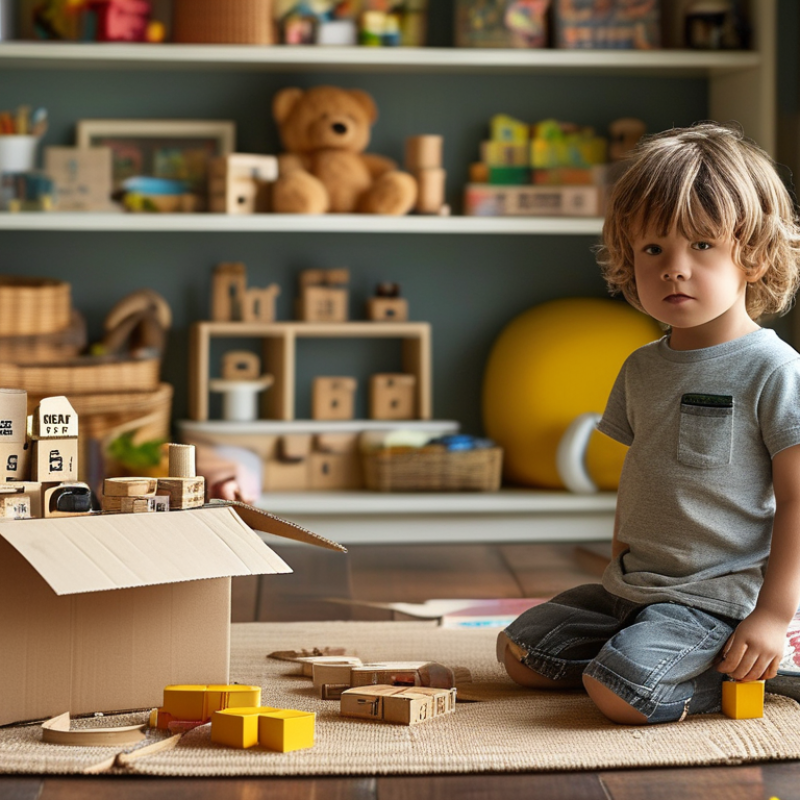
How to Make Playtime More Engaging for Kids?

Set the Goal: WHO Recommends 180 Minutes of Movement for Ages 3–4

How to Make Playtime More Engaging for Kids?

For children aged three to four, the World Health Organization recommends at least 180 minutes of physical activity across the day. At least 60 minutes should be moderate to vigorous movement, such as running, climbing, dancing, or active games. This target is not one long workout. It can include ten minutes of chasing bubbles, a walk to the park, indoor dancing, and several short bursts of play.

Make movement feel like an adventure rather than a requirement. Hide soft toys around a room and invite children to crawl, hop, or tiptoe between them. Add simple choices: “Should we jump like frogs or march like robots?”

Clear space first, check the floor, and stay close during climbing or fast movement. A child’s energy and coordination can change quickly, so the activity may need to become calmer without warning.

In my experience, children often play longer when adults join briefly instead of giving repeated instructions. Keep the game flexible. I sometimes plan too many activities, and the best moment comes from a child’s unexpected idea. That matters.

A quiet child may prefer carrying objects, balancing along a line, or pretending to cook while standing and stretching. Movement should be varied, enjoyable, and spread throughout the day, while long periods of sitting remain limited.

Five lively minutes still count.

Choose Age-Fit Challenges Across the CDC’s Five Developmental Domains

How to Make Playtime More Engaging for Kids?

Choose challenges that match a child’s current abilities, then add one small step. Public health guidance groups development into five areas: social-emotional skills, language and communication, cognitive skills, movement, and self-help abilities. During play, these areas can overlap naturally. A pretend grocery game may encourage turn-taking, new words, counting, and carrying light objects.

For younger children, offer large blocks, simple puzzles, and songs with repeated actions. Ask, “What should happen next?” Let the child answer with words, gestures, or sounds. For older preschoolers, try sorting buttons by color, building a bridge, or acting out a story with stuffed animals.

Add gentle movement, such as jumping between floor cushions or balancing along a taped line. Keep the challenge brief.

Watch how the child responds. Frustration, silence, or throwing pieces may signal that the task needs adjustment. I sometimes make activities too difficult because I expect quick progress. That is worth reconsidering. Children develop at different rates, and milestones are guides rather than diagnoses. Notice effort, communication, and problem-solving, not only the finished result. Offer help, then pause. Give the child room to try again. During cleanup, invite the child to match objects, name colors, and carry toys to a basket. Small routines can build independence.

Add Active Play: AAP Recommends 60 Minutes of Daily Physical Activity

Playtime becomes more engaging when children move, not just watch. Pediatric guidance from the AAP recommends at least 60 minutes of daily physical activity for children and adolescents. The hour can be divided into short bursts. Ten minutes of jumping, a walk after dinner, and a playground game can all count. Choose activities that gently raise breathing and match the child’s age and ability. Active play should feel like an invitation, not a test. Keep it playful.

In a small living room, try a “floor-is-lava” route with cushions, tape lines, and a soft ball. Ask the child to crawl, balance, hop, and carry the ball to a basket. Change one rule when interest fades. Outdoors, use chalk to draw zigzags, numbered circles, or animal tracks. A caregiver can join for five minutes, then let the child invent the next challenge. Children often copy adult enthusiasm more readily than adult instructions.

I once treated movement like a scheduled chore, and the game lost its spark. That was a useful mistake. Now I watch for tired faces, frustration, heat, or unsafe footing, and I pause early. Some children need quiet movement, such as stretching or slow dancing. Others prefer running until their cheeks turn pink. Never force painful activity or ignore medical advice. If a child has a health condition, ask a qualified clinician about suitable intensity and rest. Keep water nearby and leave enough space for clumsy attempts.

Balance Screens: WHO Limits Ages 2–4 to One Hour of Screen Time

How to Make Playtime More Engaging for Kids?

For children aged two to four, the World Health Organization recommends no more than one hour of sedentary screen time daily. Less is better, especially when screens replace sleep, movement, or family interaction. A simple timer can make the limit visible without turning it into a daily argument. When the screen ends, offer a clear next activity, such as building a paper road for toy cars or washing plastic cups in a basin. Children often resist sudden changes. That does not mean the routine is failing.

Screen time works better when adults stay involved. Watch briefly, ask what the child notices, and connect the content with real play. After seeing animals, place toy figures around the room and create a small rescue game. Keep meals, bedrooms, and the hour before sleep mostly screen-free, following healthy sleep guidance from child development specialists. I sometimes misjudge how tired a child is. A planned activity can become too demanding. Quiet blocks, picture books, or drawing may work better than energetic games. Parents can also review their own habits, because children copy more than they follow instructions. The one-hour limit is useful, but family routines need patience, flexibility, and honest adjustment.

How to Make Playtime More Engaging for Kids?

Balance screens with active play, reading, creative activities, and time with caregivers.

According to World Health Organization guidance, screen time is not recommended for children under 2, while children aged 2–4 should have no more than 60 minutes per day. Less screen time is better.

Refresh Activities Through Choice, Repetition, and Social Play

How to Make Playtime More Engaging for Kids?

Refresh Activities Through Choice, Repetition, and Social Play

Children often play longer when they can choose between two simple activities. Offer a puzzle or a blanket fort, then wait. That pause matters. It gives children ownership without creating too many decisions. In my experience, a small choice works better than a crowded shelf of toys. Ask what they want to change, too. Their answer may reveal a useful interest.

Repetition can make ordinary play feel deeper. A child might build the same cardboard garage every afternoon. Instead of replacing it, add one gentle variation. Try a paper road, a toy traffic sign, or a pretend repair shop. Familiar play supports confidence, while small changes invite problem-solving. I sometimes add too many ideas and interrupt the child’s plan. Stepping back is harder, but often more effective.

Play also becomes richer with another person. Two children can build a shared town, take turns being a shopkeeper, or create rules for a chasing game. Adults should model listening, fair turns, and calm disagreement. Do not control every detail. Children need room to negotiate, even when the game becomes noisy or uneven. A five-minute shared activity may be enough. Watch their energy, notice frustration, and adjust the challenge before play feels like a lesson.

FAQS

: How can I choose the right play challenge?

: Match the activity to the child’s current ability. Add only one small step.

Which skills can playtime support?

Play can build social, language, thinking, movement, and self-help skills. These areas often overlap.

What activities suit younger children?

Try large blocks, simple puzzles, and songs with repeated actions. Keep materials easy to hold.

How can I encourage communication during play?

Ask, “What happens next?” Accept words, gestures, sounds, or pointing as answers.

What activities suit older preschoolers?

Try sorting buttons, building a bridge, or acting out stories with stuffed animals.

How do I know when a challenge is too difficult?

Watch for silence, frustration, or thrown pieces. Reduce the task and offer help.Pause briefly.

How can cleanup support development?

Ask the child to match objects, name colors, and carry toys into a basket. Small routines build independence.

How much sedentary screen time is suitable for children aged two to four?

Keep it to one hour or less daily. Less is better when screens replace sleep, movement, or family interaction.

What should happen when screen time ends?

Use a timer, then offer a clear activity. Try paper roads, quiet blocks, or washing plastic cups.

Should adults join children during screen time?

Yes. Watch briefly, ask what the child notices, and connect the content with real play.

What should families keep screen-free?

Keep meals, bedrooms, and the hour before sleep mostly screen-free. Routines may need honest adjustment.

Conclusion

Tips For Making Playtime More Engaging begin with setting clear, age-appropriate goals. Children ages three to four benefit from plenty of movement throughout the day, so play should include activities that encourage walking, jumping, balancing, dancing, and creative physical exploration. Challenges can also support key developmental areas, including communication, thinking, movement, social interaction, and emotional growth. Choose tasks that are suitable for each child’s abilities, then gradually add variety as confidence improves.

Active play should be part of a child’s daily routine, while screen time should remain limited for young children. To keep activities enjoyable, offer simple choices, repeat favorite games in new ways, and invite siblings, caregivers, or friends to join. Social play can build cooperation and communication, while regular changes in setting, materials, and rules help prevent boredom. By combining movement, learning, creativity, and connection, playtime can become more meaningful, balanced, and engaging.

Sienna

Sienna

Sienna is a skilled marketing professional with a deep expertise in our company’s core products and services. With a passion for innovation and detail, she plays a pivotal role in crafting insightful blog posts that not only highlight the unique features of our offerings but also provide valuable......